
To Purchase Azithromycin Online USA Visit Our Pharmacy ↓
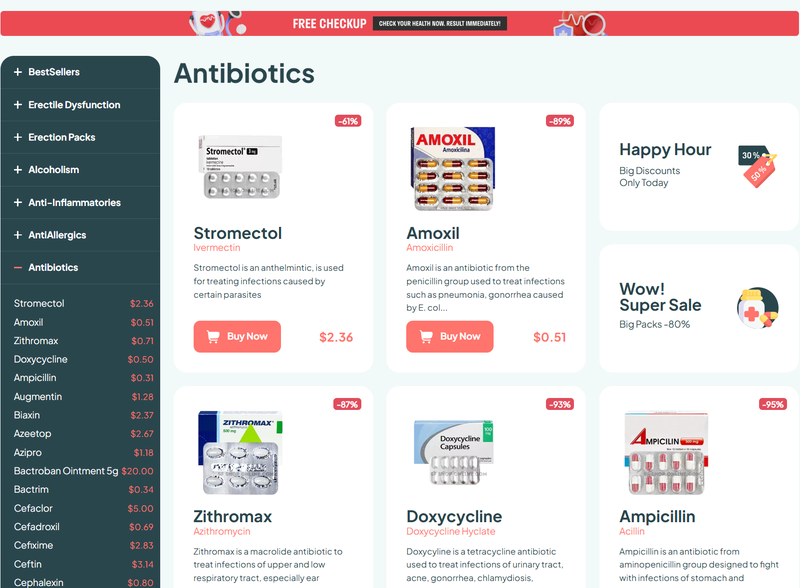
This medicine belongs to a class of drugs known as macrolide antibiotics, which work by inhibiting bacterial growth
While moderate alcohol consumption is generally acceptable, it’s advisable to consult your healthcare provider for personalized advice. Azithromycin can also interact with other drugs, such as statins, and increase the risk of arrhythmia. Typically prescribed as a preventive measure or for the treatment of certain bacterial infections, the standard dose for adults is 500 mg on the first day followed by 250 mg daily for the next four days. Additionally, azithromycin has been investigated as a potential treatment for inflammatory skin conditions such as rosacea and blepharitis. Another common query involves the consumption of alcohol while on azithromycin. Necrotizing fasciitis is a rapidly progressing, life-threatening infection that involves the deep layers of the skin and subcutaneous tissues. Through its mechanism of action, azithromycin interferes with protein synthesis in bacteria, ultimately halting their growth and reproduction.
Implications for Antibiotic Resistance
It is often prescribed for bacterial infections that cause inflammation in the digestive system, such as gastritis or peptic ulcers caused by Helicobacter pylori bacteria. Azithromycin, one of the most frequently prescribed antibiotics, belongs to the macrolide class. Completing the full treatment, including any 'Sig' or follow-up doses, is crucial for eradicating the infection. As research continues, Azithromycin continues to play a vital role in addressing the global public health burden of sexually transmitted diseases. These interactions can alter the way azithromycin or the concomitant medication works, either diminishing their effectiveness or exacerbating side effects. It is also effective in combating skin and soft tissue infections, such as cellulitis and impetigo. Another misconception is that STIs are always accompanied by noticeable symptoms, such as redness or discharge.
How Azithromycin Targets Bacterial Ribosomes
Additionally, azithromycin is used to combat ear infections in both children and adults, providing relief from symptoms and clearing up the infection. Although rare, severe side effects may occur and should not be ignored. Importantly, azithromycin demonstrates increased tissue penetration and a substantially longer half-life in comparison to other macrolides, which permits once-daily dosing and shorter courses of treatment. One area where azithromycin has shown promise is in the treatment of chronic lung diseases such as cystic fibrosis and bronchiolitis obliterans syndrome. As with any medication, there are potential side effects and precautions to be aware of, which should be discussed with a healthcare professional before starting azithromycin treatment. Therefore, it is essential to consult a healthcare provider before taking azithromycin and to follow all recommended dosages and instructions for use. This makes it effective against a wide range of bacterial infections, including respiratory tract infections, skin infections, and sexually transmitted infections.
Importance of Safe Sexual Practices
Azithromycin is a widely used antibiotic that has proven to be effective in treating various sexually transmitted diseases (STDs). However, its expansion into new therapeutic territories must be navigated with caution to prevent acceleration of antibiotic resistance. Do you need any further assistance or information?. For example, it is recommended that patients abstain from sexual activity until they have completed their full course of antibiotics and tests confirm that their infection has been cured. In fact, Doxycycline has been reported to be effective for some STIs such as Chlamydia and Gonorrhoea. For instance, amoxicillin is an alternative antibiotic used for respiratory tract infections, such as pneumonia, middle ear infections, and strep throat. From its impact in clinical settings to its implications for the future of antibiotic research, this article will provide a comprehensive analysis of the remarkable speed of azithromycin in combating bacterial infections.
Although Azithromycin is a widely prescribed antibiotic, there has been concern about its potential cardiovascular risks
This means that patients can experience relief from symptoms such as redness, inflammation, and itching sooner, allowing them to regain their skin health and quality of life in a timely manner. The excessive and improper use of antibiotics in human medicine, as well as in veterinary practices and agriculture, accelerates this process. The understanding of how azithromycin exerts its antibacterial effect is crucial in optimizing its clinical use, as well as in designing new antibiotics with similar mechanisms of action. This versatile antibiotic has proven effective against both gram-positive and gram-negative bacteria, making it a valuable tool in the fight against bacterial pathogens. Additionally, Azithromycin has been associated with certain adverse effects, such as gastrointestinal issues, liver problems, and allergic reactions. It can help improve overall health and well-being and has been hailed as a miracle pill due to its various applications. Additionally, the ability of azithromycin to accumulate within the cells and persist for an extended period of time further enhances its bactericidal activity.
The Spectacular Scope of Azithromycin's Effectiveness
Studies have shown that Azithromycin is highly effective in treating chlamydia, with a cure rate of over 95%. This miracle pill has been found to be effective in fighting a wide range of infections, from respiratory tract infections to sexually transmitted diseases. Azithromycin, like any other antibiotic, can lead to antibiotic resistance when used excessively. Its mechanism of action involves binding to the 50S subunit of the bacterial ribosome, which inhibits protein synthesis and ultimately leads to bacterial death. The drug has a rapid onset of action, with peak serum concentrations occurring two to three hours after dosing. Azithromycin is a versatile antibiotic that has proven effective in treating a wide range of conditions. In addition to anaphylaxis, other serious reactions such as Stevens-Johnson syndrome (SJS) or toxic epidermal necrolysis (TEN) can occur.
Azithromycin's Impact on Global Health: a Game Changer
While it is considered safe and effective, there are some potential side effects and risks associated with its use. Precautions should be taken, particularly for individuals with pre-existing medical conditions such as liver or kidney problems, heart disease, or those on other medications that may interact with azithromycin. Unlike penicillins which target cell wall synthesis, azithromycin inhibits bacterial protein synthesis, making it effective against a variety of respiratory pathogens, including those resistant to other antibiotics. When prescribing Azithromycin for respiratory infections, it is important to understand the appropriate dosage for each specific infection. Educating not just parents, but also children about the proper use of antibiotics fosters a collective awareness. This makes Azithromycin useful for treating a wide range of bacterial infections, including respiratory tract infections, skin infections, and sexually transmitted diseases. It's essential for healthcare practitioners to consider the complete pharmacological profile and to adjust the treatment plan accordingly.
Azithromycin is a widely-used antibiotic that is often prescribed to treat bacterial infections such as bronchitis, pneumonia, and strep throat
It's also crucial to take the medication on an empty stomach, preferably one hour before or two hours after a meal, for optimal absorption. As researchers continue to explore its potential benefits in various medical conditions, azithromycin has emerged as a breakthrough treatment option. Despite its effectiveness, there are potential side effects to be aware of when taking azithromycin, so it is essential to discuss any concerns with a healthcare provider. Azithromycin, a commonly prescribed antibiotic, may pose risks to pregnant women and their babies. Some patients may also experience allergic reactions such as skin rashes, hives, and difficulty breathing. Rare but serious side effects may include liver problems, allergic reactions, and a rare heart rhythm disorder called QT prolongation. Azithromycin, a member of the macrolide antibiotics family, has been widely acknowledged as a versatile medication in the fight against respiratory infections.
Balancing the Benefits and Risks of Azithromycin Use: A Practical Guide for Patients and Clinicians
Azithromycin has unique mechanisms of action that makes it an effective tool in the treatment of respiratory infections. Azithromycin's speed and effectiveness against bacterial infections have made it a valuable weapon in the fight against disease. In preparation for travel, particularly to regions where bacterial infections are more common, azithromycin can be prescribed as a part of a traveler’s health kit. Looking towards the future, the role of azithromycin is poised to evolve in response to emerging health challenges. Additionally, it has shown promising results in reducing the duration and severity of symptoms in patients with mild to moderate COVID-19. It is important to inform your doctor if you have any allergies, liver or kidney disease, or a history of Long QT syndrome. Before taking Azithromycin or any medication, it's essential to seek professional medical advice.
Impact: Saving Lives, One Pill at a Time.
From Diarrhea to Covid-19 Azithromycin, a well-known antibiotic, has been recognized for its versatility in combating various infections. Additionally, using antibiotics without a proper diagnosis and prescription can contribute to antibiotic resistance, which can have serious public health consequences. Symptoms such as wheezing, dizziness, a fast heartbeat, or a feeling of tightness in the chest also require immediate attention. This not only simplifies the treatment process but also ensures compliance among patients who may find it difficult to adhere to longer treatment regimens. This antibiotic has shown efficacy in targeting specific pathogens that cause respiratory infections. Azithromycin, a macrolide antibiotic, plays a pivotal role in veterinary medicine by effectively combating a wide variety of bacterial infections in animals. Although azithromycin is generally well-tolerated, it may cause some side effects in certain individuals.